IIoT Gateways
Secure bridges that normalise plant data and move it to the cloud.
Detail sheet
How we build it
Every deployment is documented to the last terminal, so your team can own it the day we hand it over.
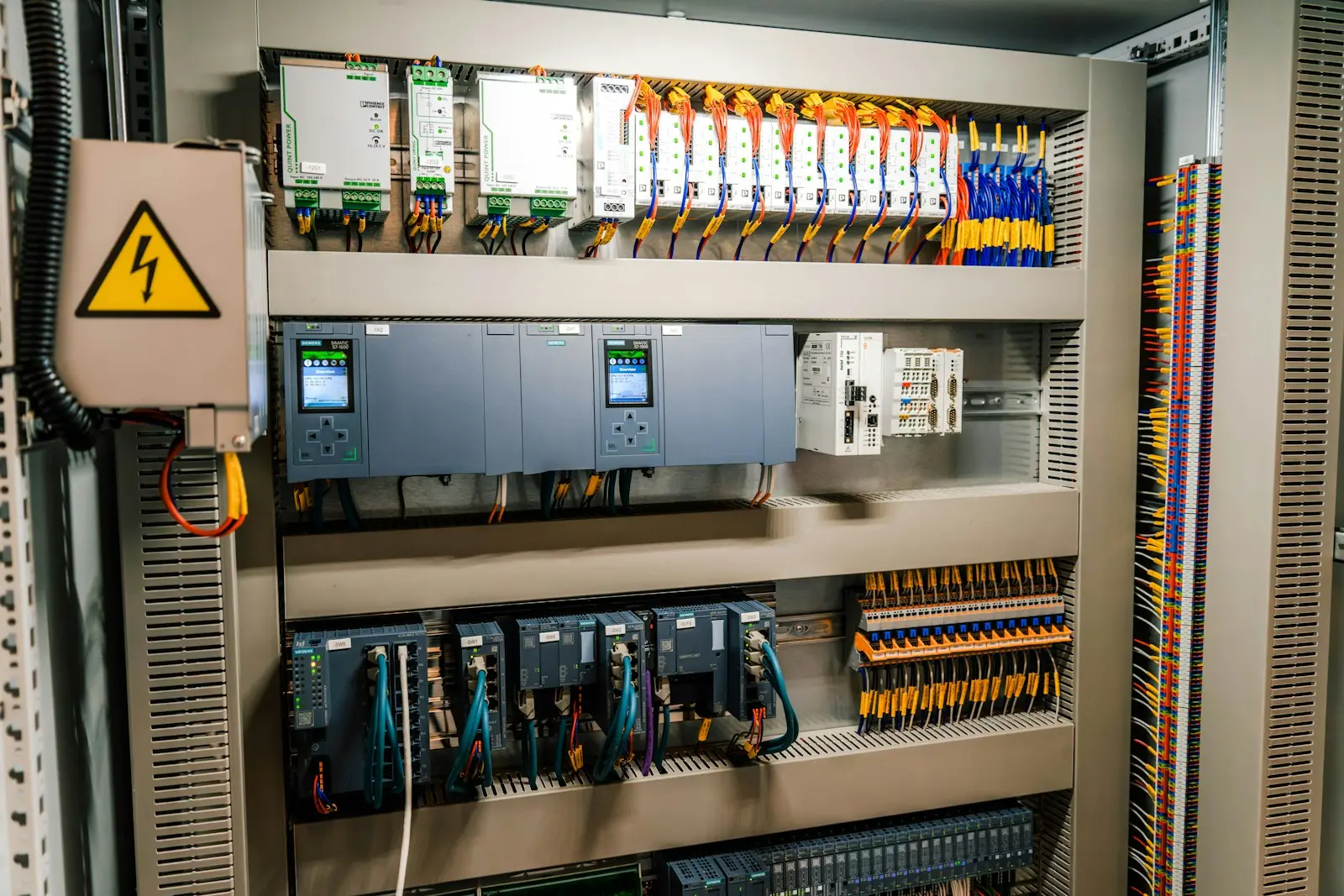
The gateway is the border crossing between OT and IT. Ours normalise tags from mixed vendor equipment into one consistent model, encrypt everything in transit, and never expose the control network to the internet. One data contract, however many machine brands you run.
- Normalises
- Mixed-vendor tags to one model
- Transport
- TLS-encrypted, outbound only
- Exposure
- Control network stays private
In detail
What you should know
How this building block behaves in a working plant, and where it fits.
One model, many vendors
A plant with four controller brands exposes four different ideas of what a tag is. The gateway is where that becomes one consistent model, so a signal means the same thing regardless of which machine produced it.
Do this once, at the boundary, and adding the fifth machine is configuration. Skip it and every integration is bespoke, which is why so many pilots never reach a second line.
Outbound only, always
Gateways initiate connections outward and nothing dials in. No controller is exposed, no inbound port is opened, and the control network keeps exactly the isolation it had before.
Traffic is encrypted in transit and credentials are held on the device rather than embedded in a shared configuration file.
Failing quietly is the risk
The dangerous failure is not a gateway that stops — it is one that keeps running while a handful of tags silently stop updating. Dashboards look healthy and the data underneath is stale.
We monitor the gateways themselves and alert on stale tags, so a fault surfaces as an alarm rather than as a wrong decision weeks later.
Applied
Where it earns its place
- A plant running several controller brands that must report consistently
- Adding cloud visibility without exposing the control network
- Replacing hand-built integrations that break whenever equipment changes
- Bringing legacy serial equipment into a modern data platform
What ships with it
- Configured gateway hardware
- Normalised tag model and mapping documentation
- Security design and credential handling
- Gateway health monitoring and stale-tag alerts
- Network boundary documentation for your IT team
Common questions
- Does this open our network to the internet?
- No. Connections are outbound only and nothing dials in, so the control network keeps the isolation it has today. We document the boundary so your IT team can audit it.
- Will it work with our older machines?
- Usually. Between OPC-UA, MQTT, Modbus and serial gateways, most equipment can be read. Some very old machines need an added sensor, and we identify that during the survey.
- How do we know the data is current?
- Gateway health and per-tag freshness are monitored and alarmed. A tag that stops updating raises an alert rather than quietly feeding a stale dashboard.
Elsewhere in the stack
Other solutions
The layers above and below this one — most projects use three or four together.