Software Development
Custom ERP, CRM, and SaaS built by people who understand your operations.
- Built for
- Ten plants, not one
- Integration
- Speaks to your machines
Scope
What the work involves
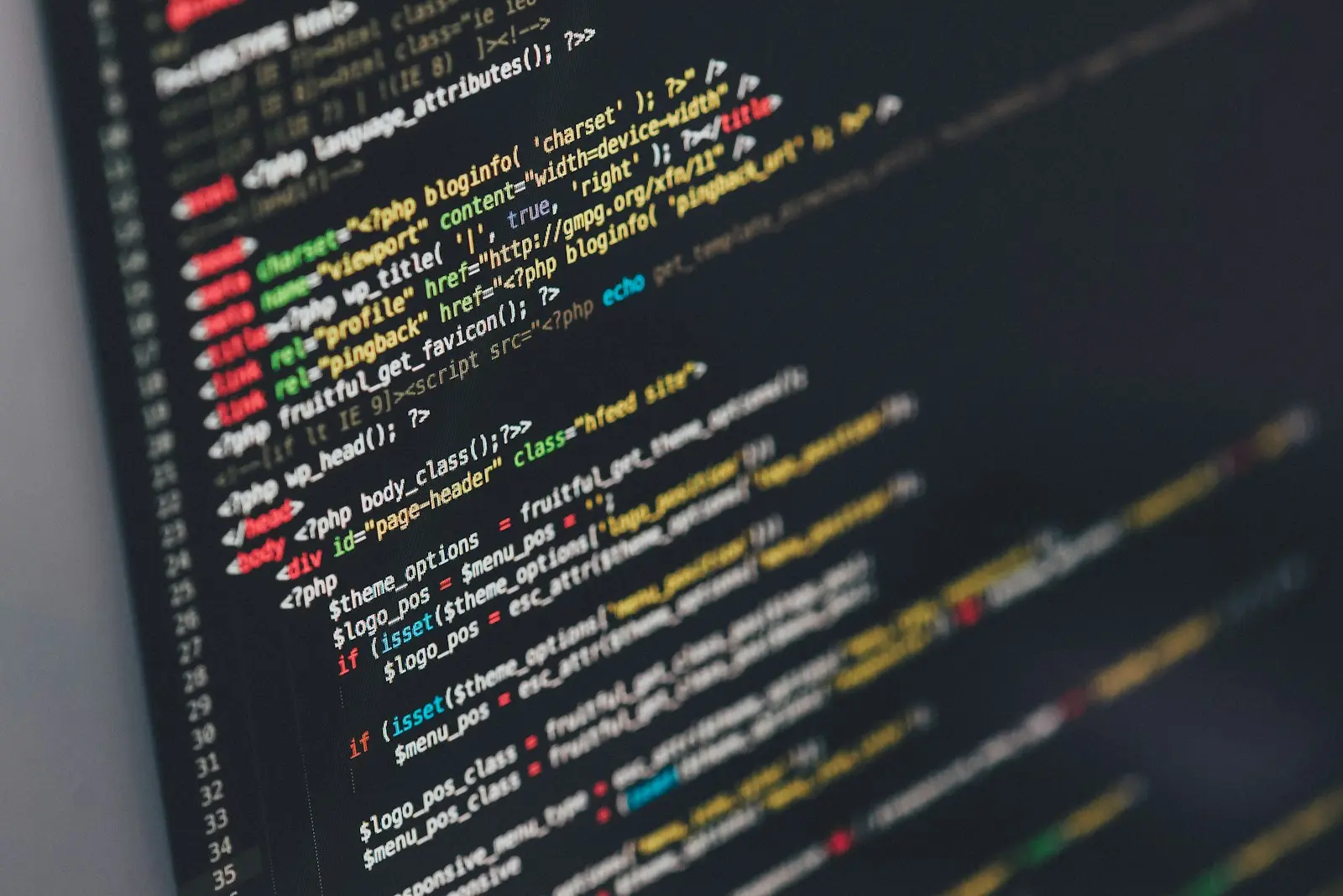
Off-the-shelf software rarely fits the way a factory or a growing business actually works. We build what does: custom ERP and CRM systems, fintech portals, customer dashboards, and SaaS products — engineered by the same team that understands your operations layer. That means the software speaks to your machines and your processes, not just your spreadsheets. We handle architecture, development, deployment, and support, and we build for scale from day one, so the system that runs one plant today can run ten tomorrow without a rewrite.
In detail
How we approach it
What the engagement actually looks like on your site, start to finish.
Why off-the-shelf often fails here
Standard ERP and CRM products assume a business shaped like the average of their customers. Manufacturing rarely is. The mismatch shows up as spreadsheets bridging gaps the software left, and as processes bent to fit a screen rather than a screen built to fit the process.
Custom is not automatically the answer. If a packaged product covers most of what you need and the gaps are small, buying it and integrating well is cheaper than building. We will tell you when that is the case — it is a shorter engagement for us and the right call for you.
Software that talks to machines
The advantage of having your software built by a team that also commissions control systems is that the two layers can actually meet. Production counts come from the line rather than from someone typing them in. A work order can know whether the machine it depends on is running.
That connection is built through clean, documented APIs rather than direct database access, so either side can change without breaking the other.
Built to be handed over
Systems outlive relationships. Yours ships with readable code, documented architecture, and deployment instructions your own team or another vendor can follow. You hold the repository and the infrastructure accounts.
We would rather you stay because the work is good than because leaving is difficult.
Scaling without a rewrite
The common failure is building for the plant in front of you and discovering that plant two needs different units, another language, or its own approval chain. We design multi-site and multi-tenant assumptions in from the start, even when you only have one site today.
The cost of that decision at the beginning is small. The cost of retrofitting it later is most of a rebuild.
Capabilities
What is included
The line items that make up a typical engagement — scoped up or down to the site.
Custom ERP & CRM platforms
Operations dashboards
API & systems integration
Fintech and payment portals
Multi-tenant SaaS architecture
Ongoing support & iteration
What you receive
- Source code and repository ownership
- Documented architecture and data model
- API documentation for every integration
- Deployment pipeline and environment setup
- Admin and user documentation
- Support and iteration plan
When this is the right call
- A process running on spreadsheets that several people maintain by hand
- An ERP or CRM that fits the business badly enough that staff work around it
- Operations data trapped in systems that cannot talk to each other
- A product idea that needs building properly rather than prototyped and abandoned
Common questions
- Should we build or buy?
- Buy when a packaged product covers most of your process and the gaps are small — integrating it well is cheaper and faster. Build when the process is the thing that makes you competitive, or when the workarounds have become the real system.
- Who owns the code?
- You do. You hold the repository and the infrastructure accounts from the start, along with the documentation needed for another team to pick it up.
- Can you work with our existing systems?
- Yes, and it is usually the larger part of the work. We integrate through documented APIs rather than writing into another product’s database, because the second approach breaks on their next upgrade.
- What happens after launch?
- Software needs maintenance the way equipment does. We agree a support arrangement covering fixes, dependency updates and a route for changes, sized to how central the system is to your operation.
Elsewhere in the stack
Other services
Each discipline stands on its own, and they compound when combined.