Metals & Mining
Heavy-duty control, drive systems and condition monitoring in harsh conditions.
- Scope
- Ground to Cloud
- Approach
- Retrofit first
- Base
- Bangalore, India
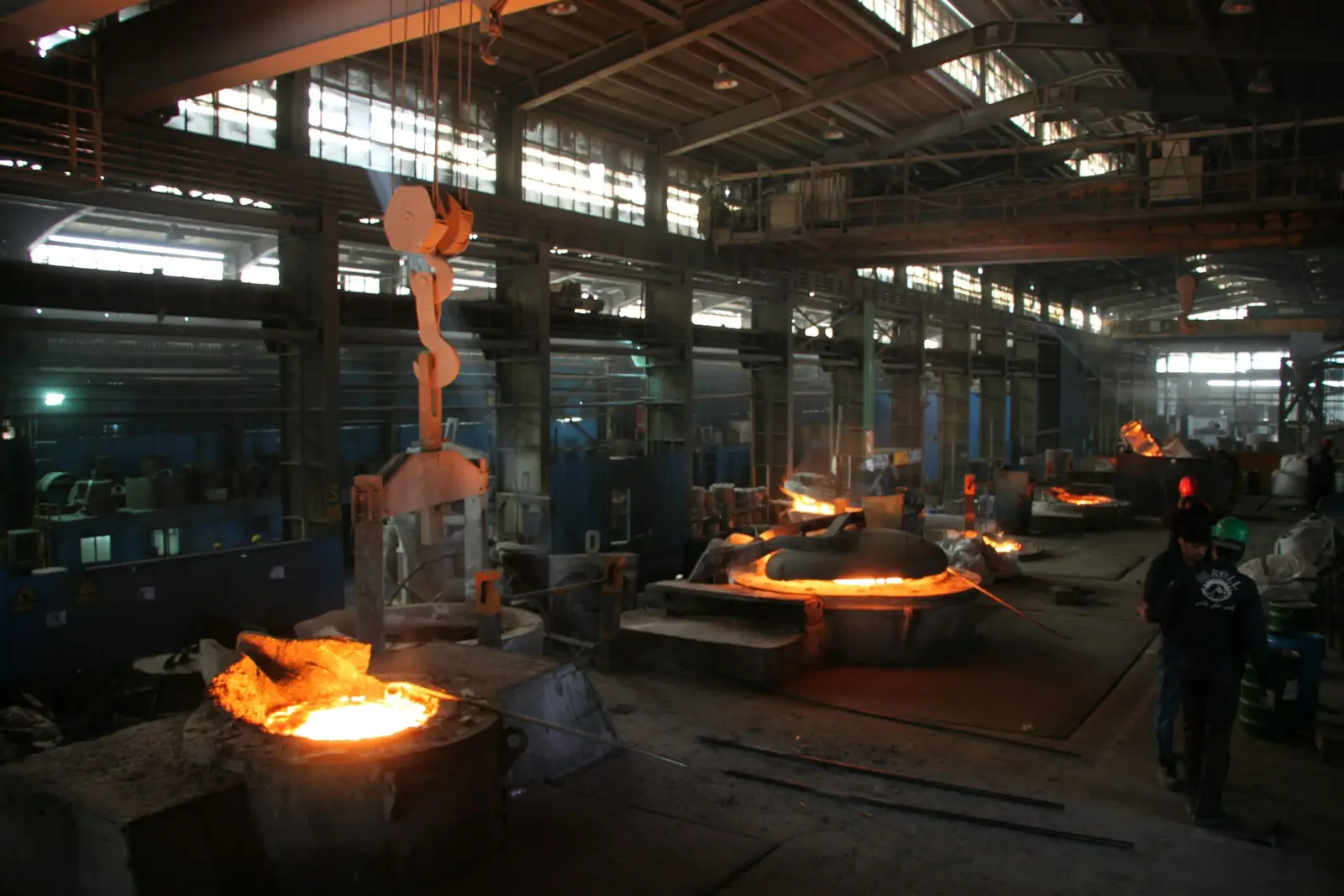
The brief
What this sector asks of a control system
Metals and mining punish equipment: dust, vibration, heat, and loads that do not forgive a control error. We engineer robust control and drive systems for crushing, conveying and processing, with condition monitoring on the assets whose failure stops everything downstream.
Every engagement starts the same way: we walk the floor, read the existing drawings, and write down what is actually installed before anyone proposes a platform. The sector decides the priorities — the plant decides the design.
Constraints we engineer around
What we bring
Disciplines we lead with in metals & mining
The same engineering team carries the work from the panel to the dashboard, so nothing is lost at a handover between vendors.
In detail
What shapes the work here
The constraints that decide how a system for this sector gets engineered.
The environment sets the specification
Dust ingress, ambient heat and constant vibration decide enclosure ratings, cooling, cable support and connector choice. Equipment specified for a clean plant room fails here in months and is usually replaced with the same specification again.
We design for the conditions on site rather than the conditions in the catalogue, and say plainly where that costs more up front.
Starting and stopping large inertia
Crushers, mills and long conveyors present starting and braking problems that determine both mechanical life and electrical supply behaviour. Drive selection and control strategy here protect the mechanics as much as they move them.
Belt tension and controlled deceleration on inclined conveyors are safety matters, not efficiency ones.
Monitoring the assets that stop the plant
Not every asset justifies condition monitoring. The ones with no redundancy, a long lead time on spares, and a whole plant downstream do — and the case for them is usually obvious once the loss per hour is put next to the sensor cost.
We instrument that short list well rather than everything shallowly.
Typical scope
What we are brought in to do
- Crusher, mill and conveyor drive control
- Controlled start, brake and belt tension on long conveyors
- Vibration and temperature condition monitoring on critical assets
- Distributed control across remote plant areas
- Downtime attribution and production reporting by circuit
Engineering constraints
- Environment
- Dust, heat and vibration rated
- Drives
- Sized for inertia and braking duty
- Monitoring
- Deep on the few that matter
Common questions
- Our panels keep failing on site — what changes?
- Usually enclosure rating, thermal management and cable entry. It is a specification problem far more often than a component-quality one.
- Is condition monitoring worth it for us?
- On assets with no redundancy and long spares lead times, almost always. On the rest, frequently not, and we will say which is which rather than sell coverage everywhere.
- Can you work on plants without reliable network coverage?
- Yes. Local control and buffered data are the normal design here, with the link treated as intermittent by default.
Elsewhere