Automotive & Auto Ancillaries
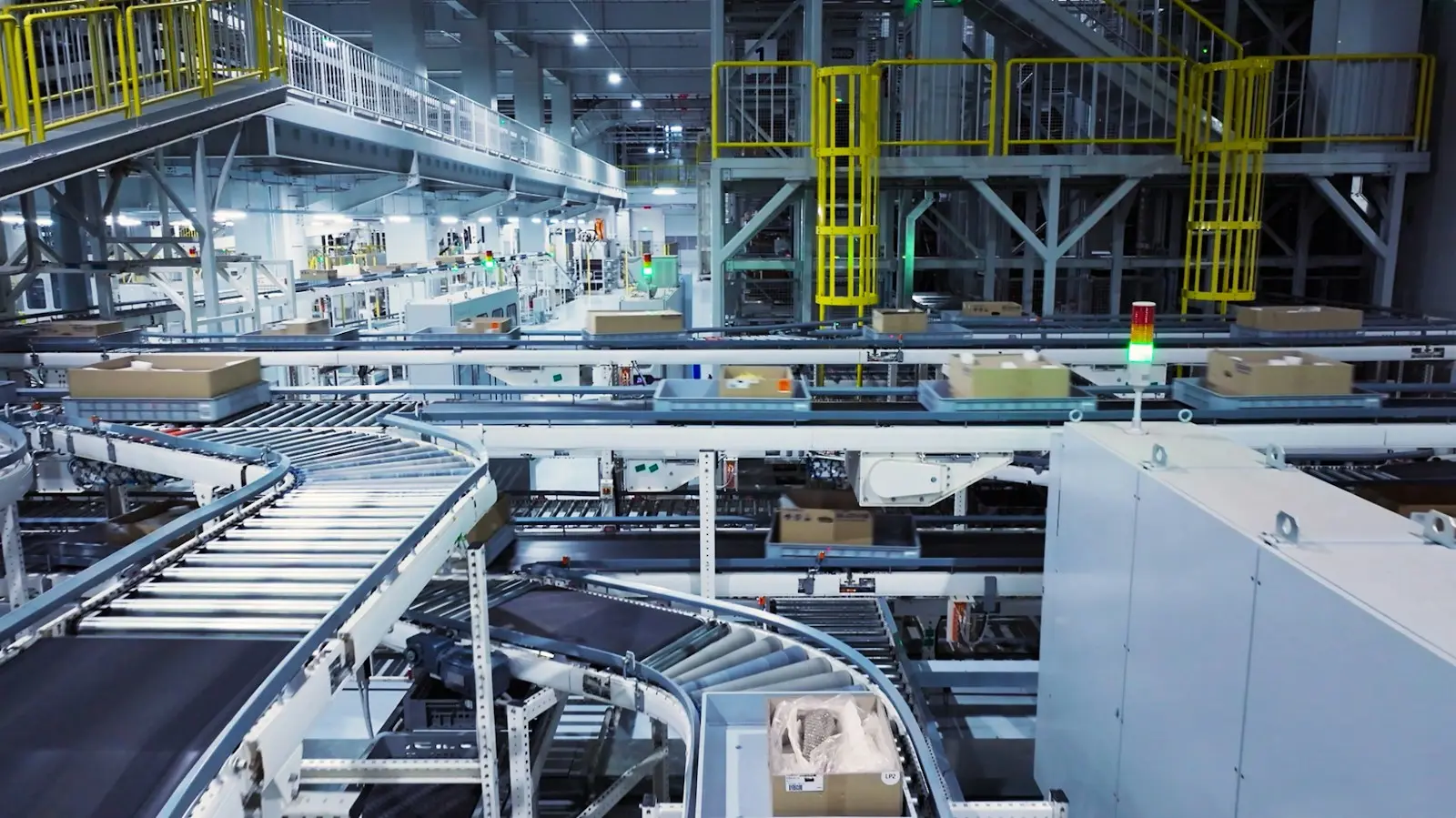
Line automation and traceability for tier suppliers and OEM plants.
- Scope
- Ground to Cloud
- Approach
- Retrofit first
- Base
- Bangalore, India
The brief
What this sector asks of a control system
Automotive lines run to takt time, and every part needs a history. We build control and traceability systems that keep pace with the line while recording what happened to each unit — torque values, test results, serial genealogy — so a recall question takes minutes to answer instead of weeks.
Every engagement starts the same way: we walk the floor, read the existing drawings, and write down what is actually installed before anyone proposes a platform. The sector decides the priorities — the plant decides the design.
Constraints we engineer around
What we bring
Disciplines we lead with in automotive & auto ancillaries
The same engineering team carries the work from the panel to the dashboard, so nothing is lost at a handover between vendors.
In detail
What shapes the work here
The constraints that decide how a system for this sector gets engineered.
Running to takt
An automotive line is paced. Every station has a budget of seconds, and control that adds a fraction to a cycle multiplies across a shift into lost units. Logic here is written for determinism first — predictable scan behaviour, no waiting on a network call to make a decision.
That constraint shapes where data collection sits. Recording happens alongside the cycle rather than inside it, so instrumenting a station never costs you takt.
Traceability that survives a recall question
Part-level history is the difference between a contained recall and an uncontained one. Torque values, test results, component serials and station pass/fail need to attach to a unit and stay attached through the rest of the build.
The engineering problem is genealogy: keeping the link intact when units merge into assemblies and assemblies into vehicles. Designed in from the start it is straightforward; added later it usually means re-reading barcodes at stations that were never built to scan.
Mixed-model without stopping
Lines increasingly carry variants down the same track. Control has to read what is coming, select the right parameters, and confirm the right parts were fitted, without a changeover pause.
Recipe-driven control handles this cleanly. The alternative — logic branching per variant — becomes unmaintainable by about the fourth model.
Typical scope
What we are brought in to do
- Station control and interlocking on assembly and sub-assembly lines
- Torque, leak and functional test data capture tied to unit serials
- Serial genealogy across component, assembly and vehicle levels
- Recipe-driven changeover for mixed-model production
- Line-side andon, downtime attribution and OEE reporting
Engineering constraints
- Takt time
- Control must not add to cycle
- Traceability
- Part-level history through assembly
- Variant handling
- Recipe-driven, no changeover stop
Common questions
- Can you add traceability without slowing the line?
- Yes, if the capture runs alongside the cycle rather than inside it. Where a station has no spare time at all, the honest answer is that you need either a buffer or a slightly longer takt, and we say so before quoting.
- How far back can genealogy be reconstructed?
- Only as far as the data already links. If units were never marked at a merge point, that link cannot be recovered retrospectively — it has to be built in going forward.
- Do you work with tier suppliers or only OEMs?
- Both. Tier plants often have the harder problem, because they run more variants on fewer lines with tighter capital budgets.
Elsewhere