EMS & Electronics Manufacturing
SMT line integration, test data capture and traceability for contract manufacture.
- Scope
- Ground to Cloud
- Approach
- Retrofit first
- Base
- Bangalore, India
The brief
What this sector asks of a control system
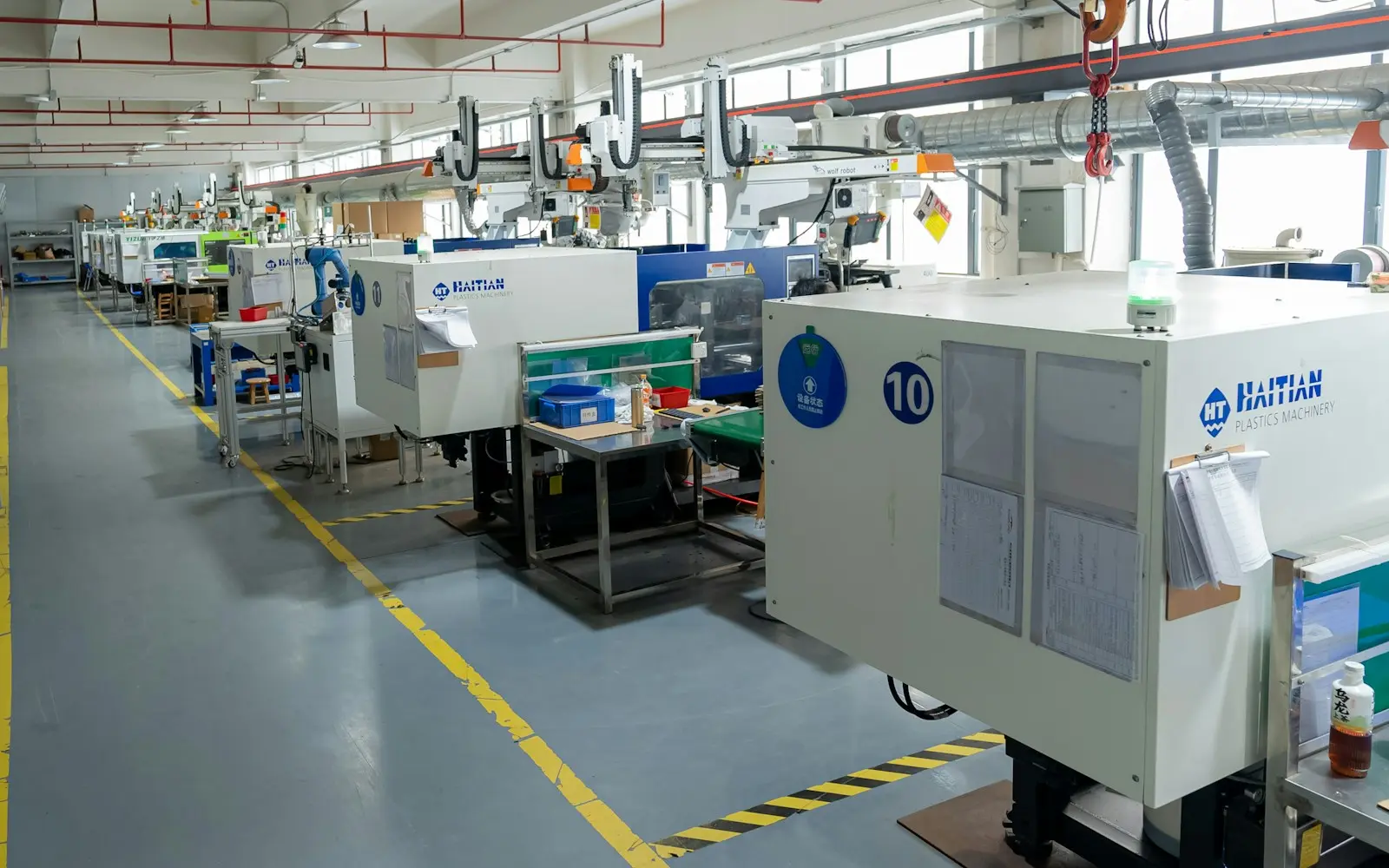
Electronics assembly runs at high mix, tight tolerance, and with a customer who wants evidence. We integrate SMT and back-end lines, capture test and inspection results against unit serials, and connect the floor to the systems that plan it — so changeovers are quick and the traceability holds up under an audit.
Every engagement starts the same way: we walk the floor, read the existing drawings, and write down what is actually installed before anyone proposes a platform. The sector decides the priorities — the plant decides the design.
Constraints we engineer around
What we bring
Disciplines we lead with in ems & electronics manufacturing
The same engineering team carries the work from the panel to the dashboard, so nothing is lost at a handover between vendors.
In detail
What shapes the work here
The constraints that decide how a system for this sector gets engineered.
High mix means changeover is the process
A line running dozens of products a week spends a significant share of its time changing over. Control that makes setup verification automatic — right feeder, right program, right stencil — recovers more capacity than a faster placement head would.
Verification also removes the most expensive defect class in this sector, which is a correct process run against the wrong configuration.
Test data that means something later
AOI, ICT and functional test results are only useful if they attach to a unit and stay attached through depanelisation and boxing. That is a marking and data-model problem as much as a test problem.
Built in properly, a customer question about one serial takes minutes. Built in loosely, it takes a week of spreadsheet reconciliation.
Getting data out of mixed-vendor equipment
Few EMS lines are single-vendor. Printers, placers, ovens, inspection and test typically speak different dialects, and the useful data is often behind a proprietary interface.
We normalise it at the gateway layer so the line reports as one system, rather than asking your team to open five vendor tools to answer one question.
Typical scope
What we are brought in to do
- SMT line integration across mixed-vendor equipment
- Automated setup and changeover verification
- Serial-level capture of AOI, ICT and functional test results
- Traceability through depanelisation and packing
- Line OEE and first-pass-yield reporting
Engineering constraints
- Mix
- Changeover verified, not trusted
- Records
- Serial-level, survives depanelisation
- Equipment
- Normalised at the gateway
Common questions
- Our machines are from five different vendors — is that workable?
- It is the normal case. The work is in normalising the interfaces; once that is done the line reports as one system regardless of who made each machine.
- Can this satisfy a customer traceability audit?
- It can provide the records. Whether they satisfy a given customer depends on their specification, which we would rather read before quoting than after.
- Do you support panel-to-board serial tracking?
- Yes, and it is worth designing early. Reconstructing the panel-to-board link after depanelisation is not possible if the boards were never individually marked.
Elsewhere