Packaging & Converting
End-of-line automation, recipe changeover and OEE on high-speed packaging.
- Scope
- Ground to Cloud
- Approach
- Retrofit first
- Base
- Bangalore, India
The brief
What this sector asks of a control system
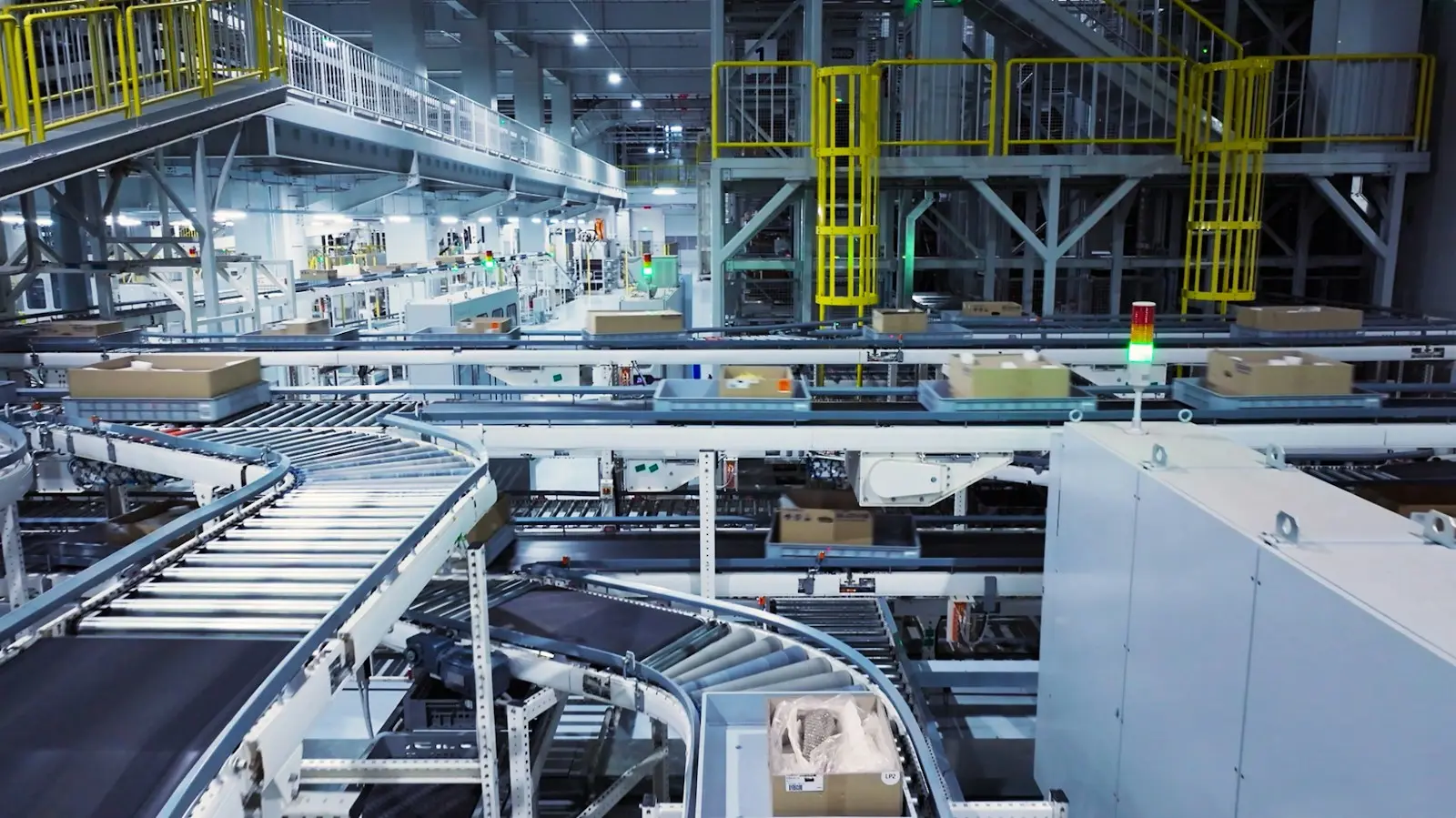
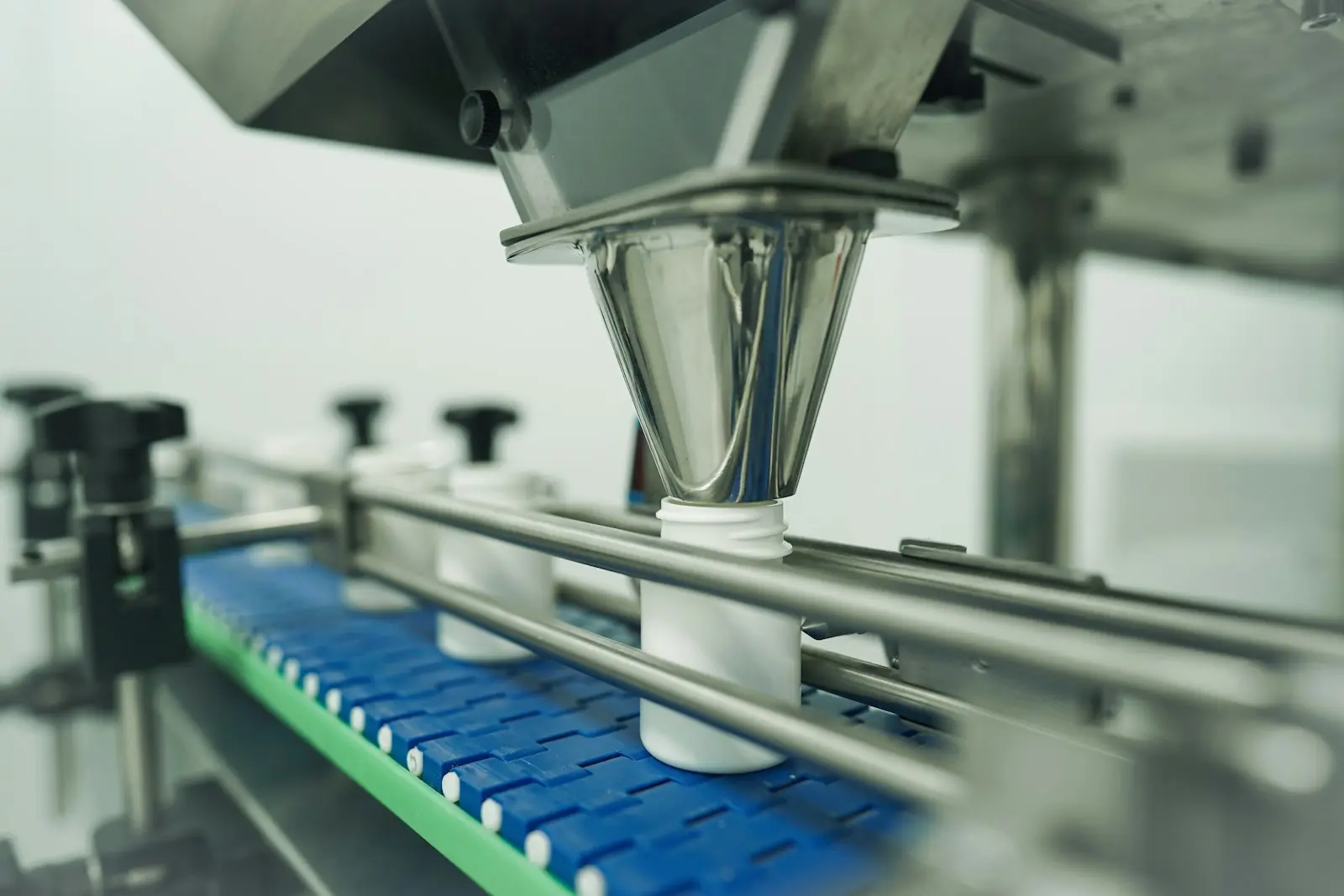
Packaging lines are a chain of machines from different suppliers that have to behave like one. We engineer the line control that coordinates them, the recipe handling that makes a format change quick, and the reporting that shows which machine actually caused the stop.
Every engagement starts the same way: we walk the floor, read the existing drawings, and write down what is actually installed before anyone proposes a platform. The sector decides the priorities — the plant decides the design.
Constraints we engineer around
What we bring
Disciplines we lead with in packaging & converting
The same engineering team carries the work from the panel to the dashboard, so nothing is lost at a handover between vendors.
In detail
What shapes the work here
The constraints that decide how a system for this sector gets engineered.
A line, not a row of machines
Individually capable machines produce a line that runs badly when nothing coordinates them. Accumulation, starve-and-block behaviour and restart order are line-level decisions that no single OEM controller makes.
We add that layer and keep it thin, so each machine keeps its own vendor support while the line as a whole has an owner.
Changeover measured in minutes
Format change is where packaging capacity is won and lost. Recipe-driven parameters, guided setup and automatic verification turn a shift-long change into a short one, and remove the variation between the best operator and the newest.
Where machines need mechanical adjustment, we are explicit that control can guide it but not eliminate it.
Knowing which machine stopped the line
The machine that shows the fault is frequently not the machine that caused it — a downstream stop starves the filler, and the filler logs the alarm. Attribution has to account for propagation or the reporting blames the wrong asset every time.
We build the attribution logic explicitly, because this single point decides whether OEE data changes any maintenance decision.
Typical scope
What we are brought in to do
- Line-level control coordinating multi-vendor machines
- Recipe-driven format changeover with setup verification
- Accumulation and line-balancing logic
- Date, batch and code verification with reject handling
- OEE with propagation-aware downtime attribution
Engineering constraints
- Coordination
- Line layer above OEM controls
- Changeover
- Recipe-driven and verified
- Attribution
- Accounts for starve and block
Common questions
- Will adding a line controller void our machine warranties?
- It should not, because the layer sits above the machines and communicates rather than modifying their internal logic. We confirm the interface with each OEM before committing to it.
- Our OEE numbers are not believed on the floor — can that be fixed?
- Usually, and the cause is almost always attribution rather than measurement. If the reports blame the filler for a downstream stop, nobody will trust them, and rightly.
- How much changeover time can we realistically save?
- It depends on how much of your change is mechanical. We measure a real changeover before estimating, rather than quoting a percentage from another site.
Elsewhere