IIoT & Cloud Implementation
Secure telemetry from the plant floor to dashboards your team actually uses.
- Visibility
- Every site, one screen
- Downtime to deploy
- None
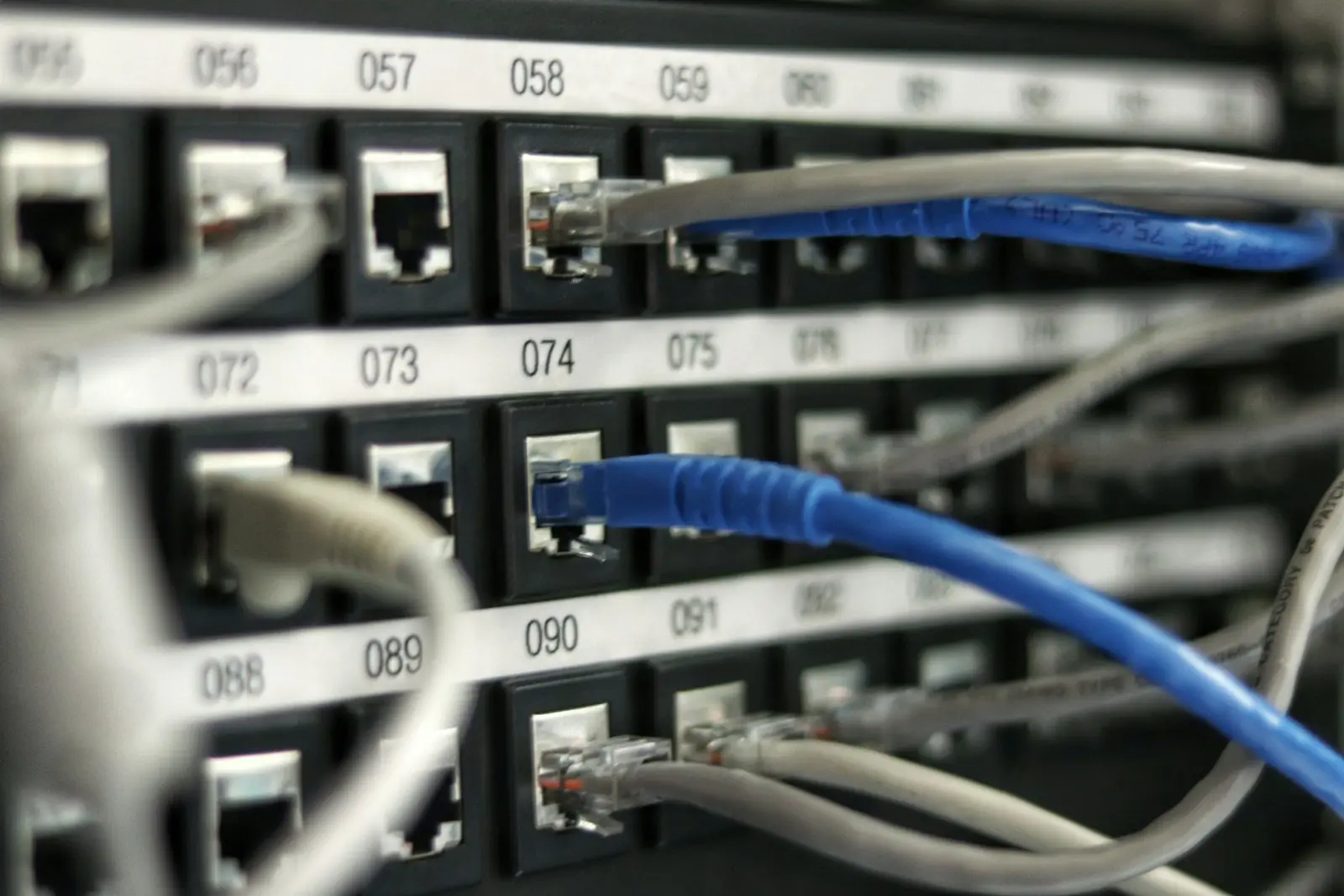
Scope
What the work involves
Your plant already produces the data — we make it usable. We connect PLCs, drives, and meters over OPC-UA, MQTT, and Modbus, move the signals through secure industrial gateways, and land them in a cloud platform your team can actually work with: live dashboards, alarm notifications, energy analytics, and historians that keep every trend. Deployments run alongside production with no downtime, and security is engineered in from the first packet rather than patched on later. The result is remote visibility of every site, from one screen, in real time.
In detail
How we approach it
What the engagement actually looks like on your site, start to finish.
Getting data off the machines
Most equipment already knows what you want to measure. The difficulty is that each vendor exposes it differently — one machine speaks OPC-UA, the next only Modbus TCP, and a third has a serial port and a manual nobody kept. The first job is a tag survey: what each machine can report, under what name, and how often.
From there we normalise. Every signal is mapped into one consistent model, so a temperature reading means the same thing whichever brand of controller produced it. Do this before scaling and each new machine is a configuration; skip it and each new machine is a project.
Keeping the control network private
Plant networks should not be reachable from the internet, and adding visibility must not change that. Gateways sit at the boundary and make outbound, encrypted connections only — nothing dials into your control network, and no PLC is ever exposed.
We keep OT and IT traffic separated, so an office problem cannot become a production problem. Where your IT team has its own standards, we work to them rather than around them.
Surviving a dropped connection
Uplinks fail, especially at remote sites. Edge nodes buffer locally and forward when the link returns, so an outage costs you a delay rather than a hole in the record. Anything that must keep working without the cloud — interlocks, control decisions — stays on the plant floor where it belongs.
This is also why we are cautious about pushing control logic into the cloud. Visibility belongs there. Decisions with a safety or timing consequence do not.
Dashboards people actually open
A dashboard nobody opens after week two is a failed project, however complete the data behind it. We build around the decisions your team already makes on shift — what stopped, why, what it cost — rather than showing everything the system can measure.
Alarms are routed to the person who can act, with enough context to act on. Reports go out on the schedule your meetings already run to, so the data arrives before the discussion rather than after it.
Capabilities
What is included
The line items that make up a typical engagement — scoped up or down to the site.
OPC-UA, MQTT & Modbus connectivity
Edge gateway deployment
Cloud historians & dashboards
Alarm routing & escalation
Energy & OEE analytics
OT/IT network segmentation
What you receive
- Tag survey and normalised data model
- Configured gateways with documented network design
- Cloud dashboards, historians and reports
- Alarm routing and escalation rules
- OT/IT segmentation and security documentation
- Handover training for your team
When this is the right call
- A plant where downtime is recorded, but the reason for it is guesswork
- Multiple sites that each report separately, in different formats, at different times
- Energy or utility bills nobody can attribute to a line, shift, or product
- A previous pilot that worked on one machine but never scaled past it
Common questions
- Will this expose our control network to the internet?
- No. Gateways make outbound connections only and nothing dials in. The control network keeps the same isolation it has today, and we document the boundary so your IT team can audit it.
- Does it work with our mix of machine brands?
- Usually yes. Between OPC-UA, MQTT and Modbus, most equipment made in the last two decades can be read. Older machines sometimes need an added sensor or a serial gateway, and we tell you that during the survey rather than after the quote.
- What happens when the internet drops?
- Edge nodes keep recording and forward the backlog when the link returns, so you lose time rather than data. Anything the machine needs to keep running stays local and is unaffected.
- Should we start with predictive maintenance?
- Usually not. Prediction needs a model trained on failures that most equipment produces rarely, so returns arrive slowly. Downtime attribution and energy sub-metering change decisions within weeks, and they build the case for anything deeper.
Elsewhere in the stack
Other services
Each discipline stands on its own, and they compound when combined.